Interfaces people use without being shown how
From Munich: we design the screens and then build them ourselves — so what is drawn is what ships, without a handover gap in between.
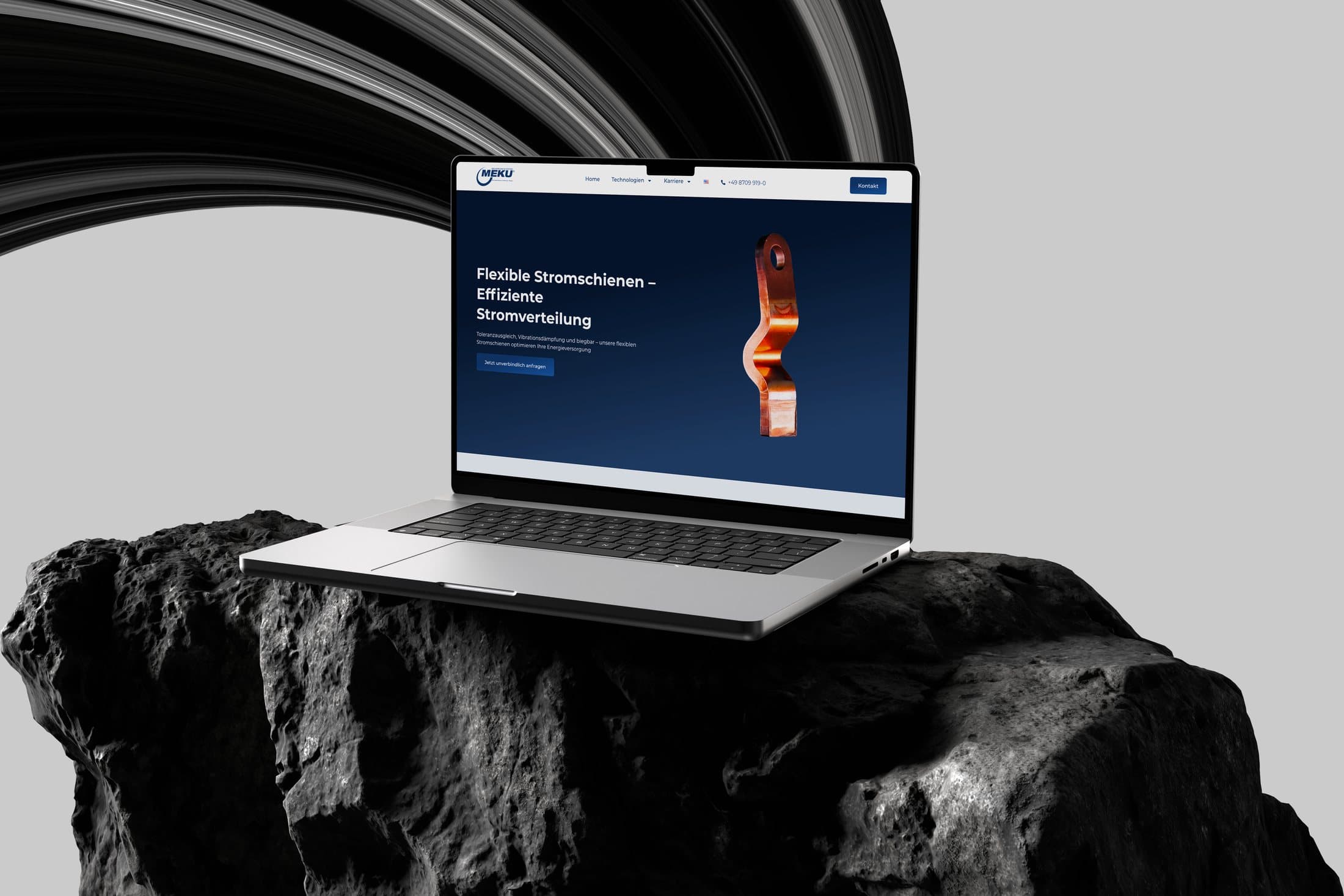
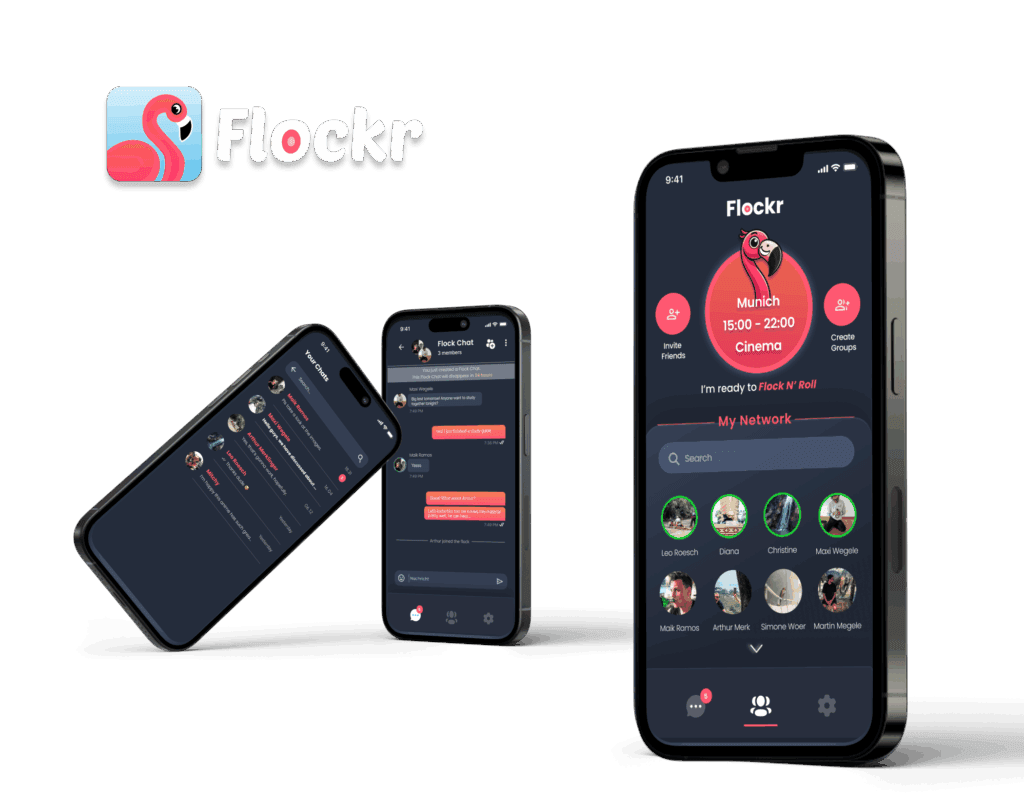
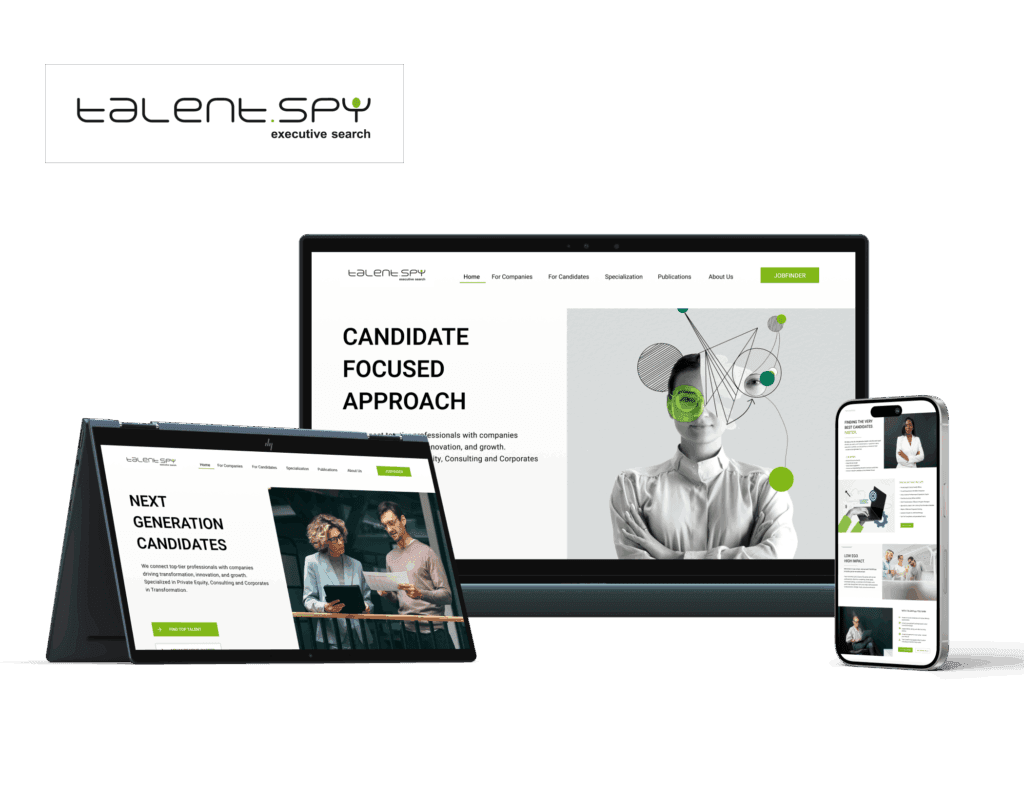
Great design is invisible — users simply get things done. We craft intuitive, beautiful interfaces grounded in research and validated with real users, so every interaction builds trust and moves people forward.
Why users leave before they understand your product
Users abandon products that confuse them. If people cannot find what they need or do not trust what they see, even the best technology underneath goes to waste.
What our design process covers
- User research, journey mapping and information architecture
- Wireframes, interactive prototypes and usability testing
- High-fidelity UI design and motion guidelines
- Scalable design systems and component libraries
What better design measurably achieves
- Higher conversion and task completion
- Lower support load thanks to clearer flows
- A consistent, scalable design system
UI/UX Design
Enhance your product with exceptional UI/UX design that delights users and drives results.
Technologies we use
- Figma
- Adobe CC
- Miro


From "where do I click?" to an obvious next step
The same content, the same features — only ordered so that the eye knows where to go.
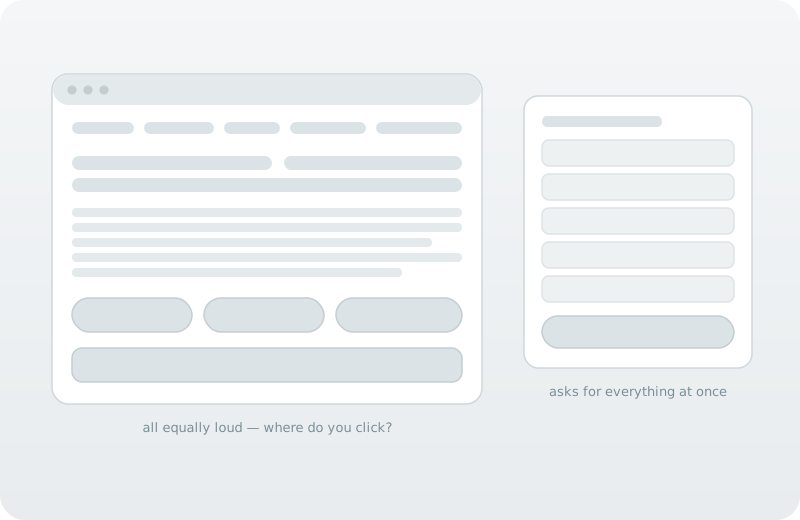
Everything is equally loud, three buttons compete for the same click, and the form asks for everything at once.
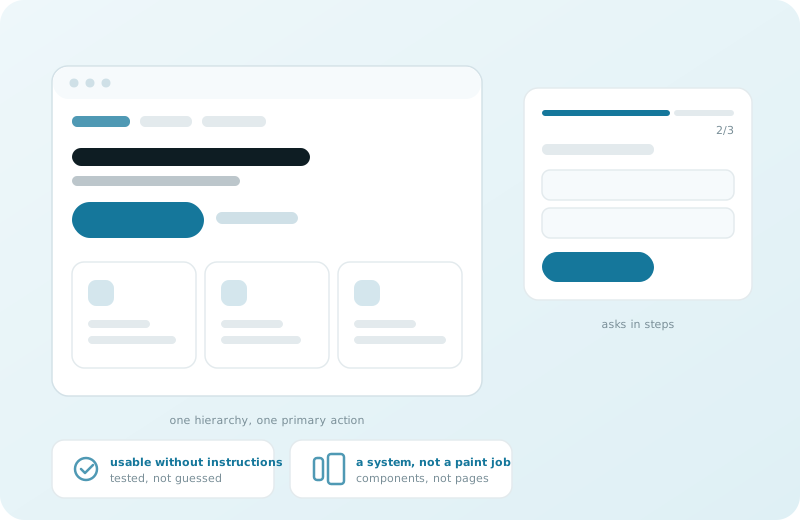
One hierarchy, one primary action, and a form cut into steps people finish.
Real customer work
MEKU — Eching near Munich
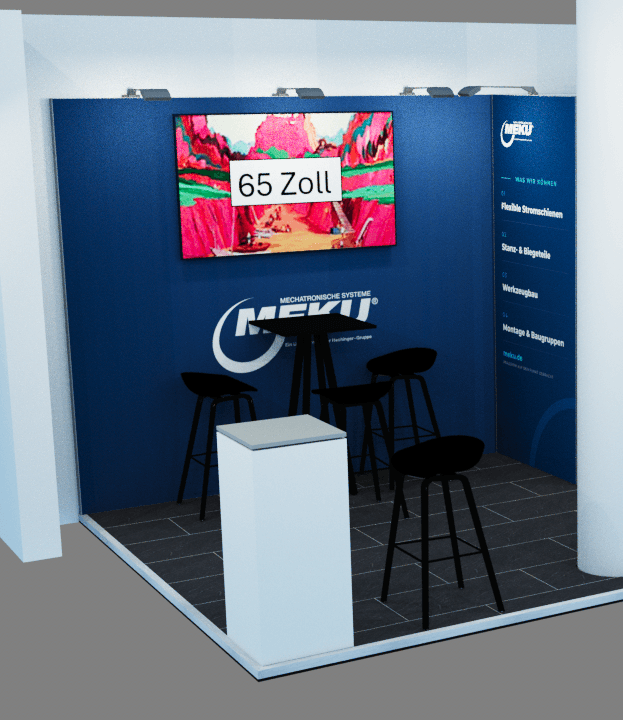
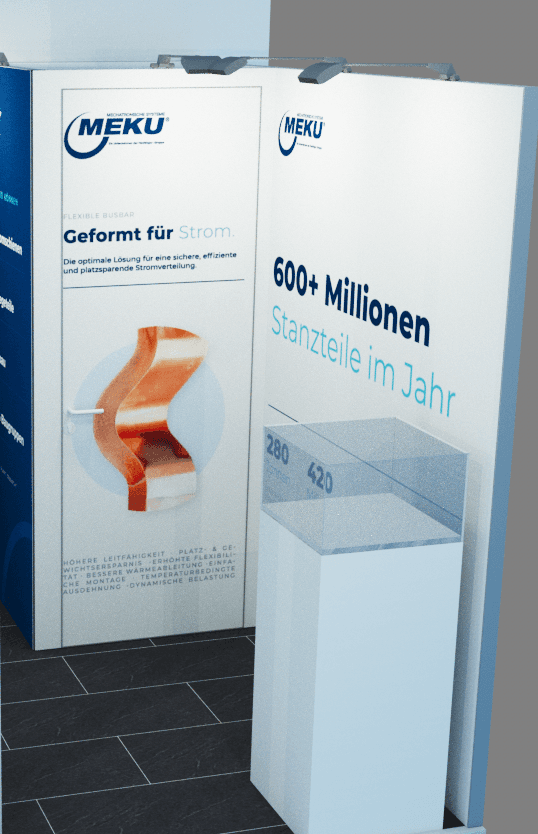
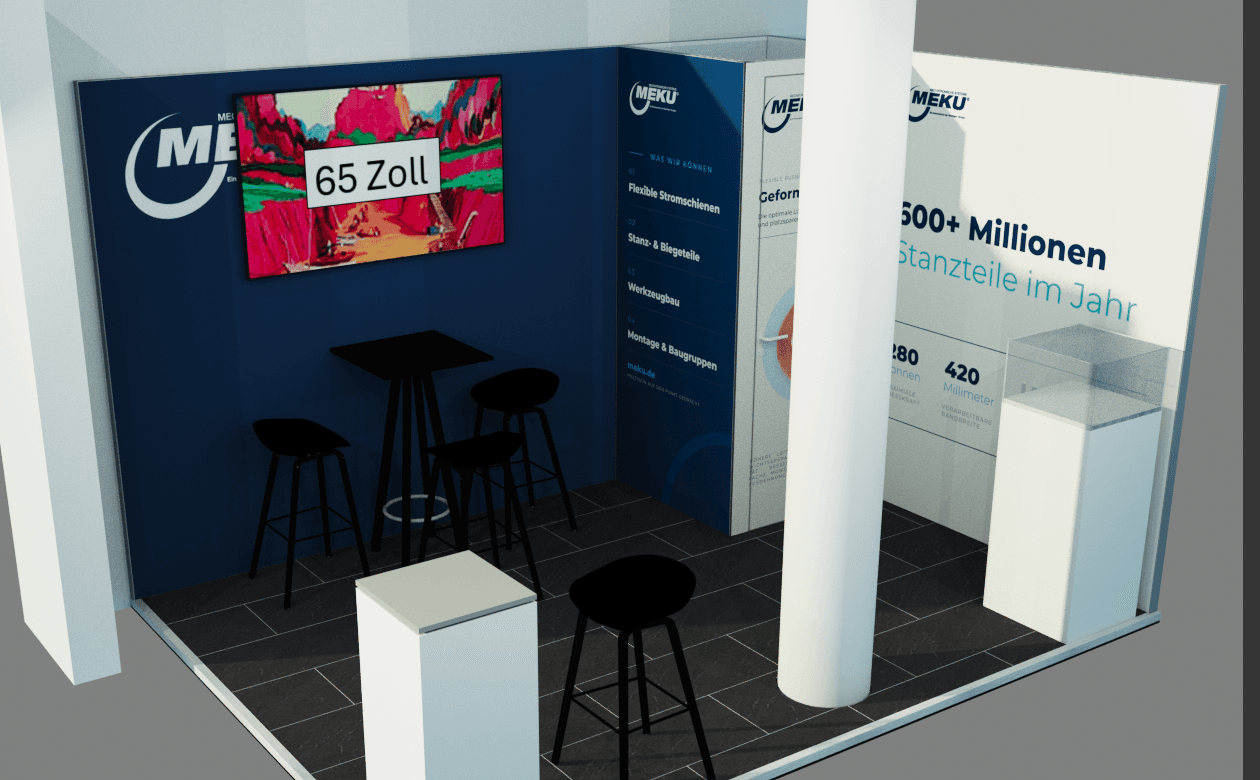
Design does not stop at the browser: for MEKU we took the visual language from the website onto the trade-fair stand — layout, imagery and the headlines that carry it.
From our work
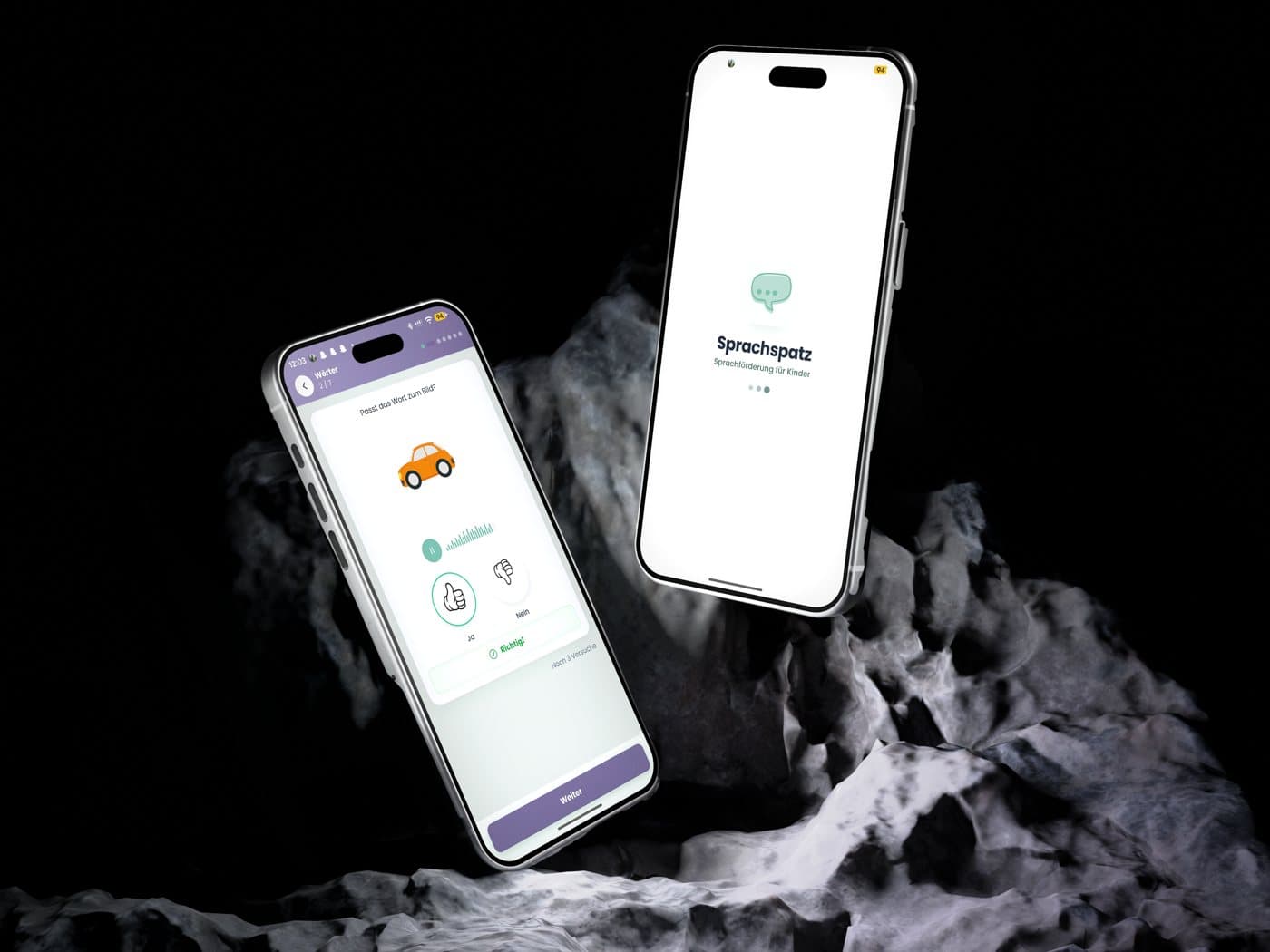
An app that supports parents during the speech-therapy waiting period
The users are parents doing an exercise with a child on their lap, in the ten minutes before bedtime. So every screen holds one task, the next step is never in doubt, and nothing has to be read twice — designed with two speech therapists and tried out with real families.
Your design partner in Munich
We are at home in Munich (Baaderstraße 40, Glockenbachviertel). Design here is not a separate department that hands a file over the fence — the person who draws the screens sits next to the people who build them, which is why what you approve is what you get.

Maxi Wegele
Product Owner & Web Designer
Baaderstraße 40, 80469 München
Personal reply within one business day.



How we get started
Free intro call
30 minutes on who uses this and where they get stuck today. A link to the current version is preparation enough.
Flow & prototype
We settle the structure and the key screens as a clickable prototype — cheap to change while it is still a drawing.
Design system & build
The screens become components you own, and the same team implements them — you get the Figma file either way.
Frequently asked questions
Do you only design, or also build?
How do you know the design will work?
Can you redesign our existing product?
What does design cost, and can I book it on its own?
Do you work in Figma, and do we get the files?
What does a design system actually get me?
Does the design have to be accessible?
Explore other services
Where do people get stuck in your product?
Send us the link. In 30 minutes we will tell you what is worth changing first — free and without obligation.